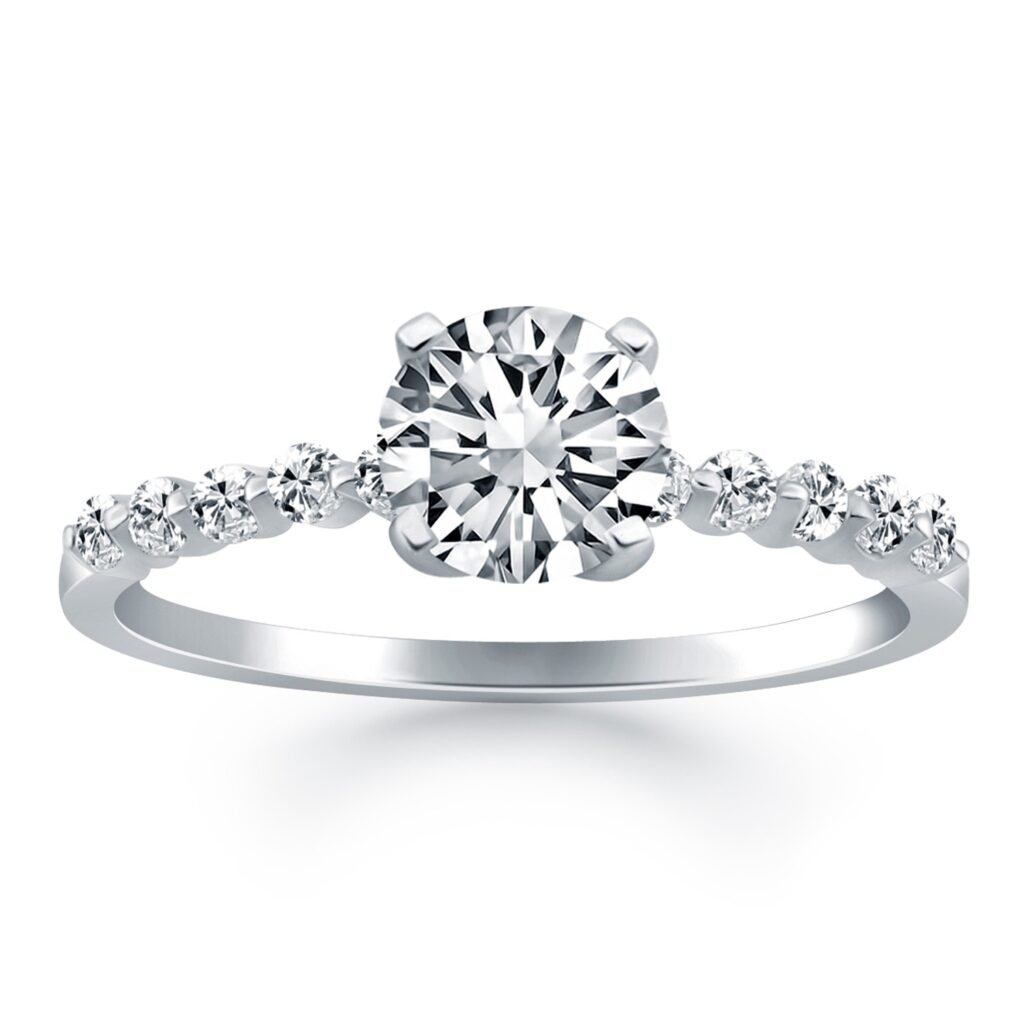
Quick answer: 10K is 41.7% gold, 14K is 58.5% and 18K is 75%. Lower karat means more alloy, which makes the metal harder and the price lower; higher karat means richer color, a softer surface and a higher price. For a ring or chain worn every day, 14K is the usual middle ground; choose 10K when hard wear and budget lead, and 18K when color matters most and the piece will be treated gently.
Karat is a measure of purity, not a quality rating. An 18K ring is not a better-made ring than a 14K one; it simply contains more gold and behaves differently as a result. This guide explains which way each property cuts, how IMPERVORA labels karat on every product page, and which karats our in-stock collection actually offers.
What do 10K, 14K and 18K actually mean?
Pure gold is 24 karat. The karat number tells you how many parts out of 24 are gold, and the rest is other metal blended in to make an alloy. Pure gold is too soft to hold a stone or keep its shape in daily wear, so jewelry gold is always alloyed. The alloying metals are not filler; they are what makes the gold usable and what sets its color.
| Karat | Gold content | Fineness stamp often seen | In one sentence |
|---|---|---|---|
| 10K | 10/24 = 41.7% | 417 | The hardest-wearing and most affordable of the three |
| 14K | 14/24 = 58.5% | 585 | The middle ground: good color, good durability |
| 18K | 18/24 = 75% | 750 | The richest color, the softest surface, the highest price |
In the United States, the Federal Trade Commission’s Jewelry Guides say the word “gold” on an alloy should be preceded by a correct karat designation, such as “14 Karat Gold” or simply “14K”, and they warn against calling a hollow piece “solid”. You can read the rule itself at 16 CFR 23.3, Misrepresentation as to gold content. That is the standard our product titles and specifications follow.
Which karat is the most durable?
Lower karat wins. The metals blended with gold are harder than gold itself, so the more alloy there is, the better the piece resists scratches, dents and stretching. 10K is the toughest of the three, 18K marks most easily, and 14K sits between them. Our own product pages put it the same way: 10K is described as “the hardest-wearing of the karats offered here”, and 18K as “richer in color and softer than the lower karats”.
Durability matters most where metal takes contact and friction:
- Rings worn daily. Bands and prongs on the hand meet desks, door handles and gym equipment. Prongs that wear thin are how stones are lost, so a harder alloy is a practical advantage.
- Chains and bracelets. Links rub against each other and clasps open and close every day. A 10K or 14K chain shrugs off that wear better than an 18K chain of the same gauge.
- Earrings and pendants. These see far less abrasion, so the case for 18K is stronger here if you prefer its color.
Construction matters as much as karat. A fine chain under 1 mm wide is delicate in any karat, and a hollow or semi-solid link will dent more readily than a solid one. Read the width and construction on the product page alongside the karat.
How does karat change the color?
More gold means more gold color. 18K yellow gold looks visibly warmer and deeper than 14K, and 14K is richer than 10K, which reads paler and slightly cooler. If you want saturated yellow, karat is the lever that controls it.
Rose gold takes its pink from copper in the alloy, so the karat changes how pronounced that pink is. White gold is different again: the gold is alloyed with white metals, and many white gold pieces are then plated with rhodium for a bright white surface. Under the plating, the alloy can show a faint warm tone as the rhodium wears, which a jeweler can renew. Our platinum vs white gold guide explains how that plating behaves over time.
If two pieces of the same color will sit directly against each other, such as stacked bands, matching the karat keeps them reading as a set. Different karats worn apart, or in different colors, rarely look mismatched.
Is 18K better for sensitive skin, and what about nickel in white gold?
This needs care, because the honest answer depends on the alloy, not just the karat. Nickel is a common cause of allergic contact dermatitis, and the American Academy of Pediatrics notes that nickel can be used as an alloy to harden more expensive metals such as gold (HealthyChildren.org, Nickel Allergic Contact Dermatitis). Some white gold alloys use nickel to whiten the metal; others use different white metals such as palladium.
Two things follow. First, a higher karat contains less alloy overall, which is why some people who react to lower-karat pieces are more comfortable in 18K. That is a tendency, not a guarantee. Second, rhodium plating on white gold sits between the alloy and your skin while it is intact, but it wears with time.
Our product records list the karat and color of the gold, not the full alloy recipe, so we cannot promise that a particular white gold piece is nickel-free. If you have a known nickel allergy, ask our Concierge before ordering and we will share what the manufacturer states for that piece. If no alloy information is available, yellow gold or platinum are the more cautious choices, and your dermatologist is the right person to advise on your own sensitivity.
Why does 18K cost more than 14K and 10K?
Gold is the most expensive ingredient in the alloy, so the karat sets how much of it you are paying for. Per gram of metal, 18K contains about 28% more pure gold than 14K, and 10K contains about 29% less than 14K. Higher-karat alloys are also typically denser, so the same design can weigh a little more in 18K. Labor, finishing, stones and design add to the price in every karat, which is why the gap between karats is not a fixed percentage from one piece to the next.
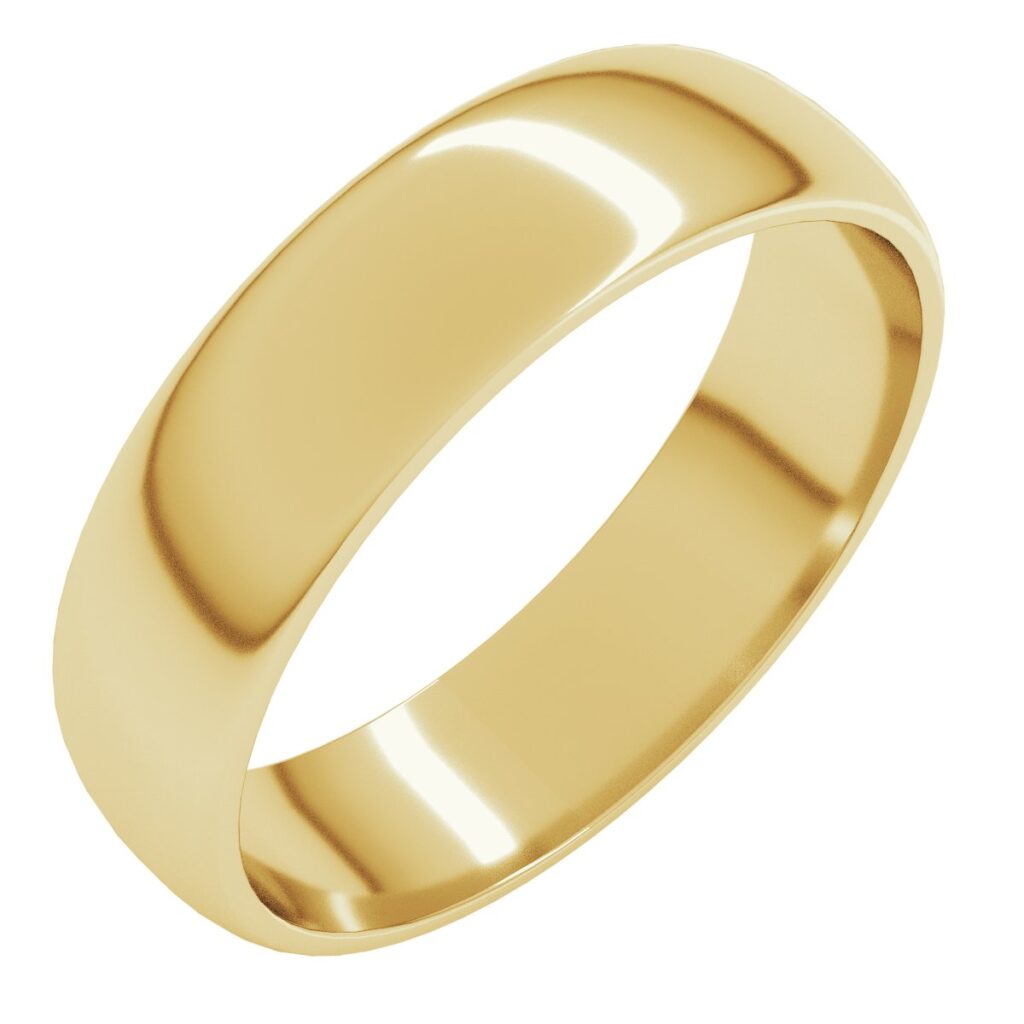
You can see this on our Lightweight Half Round Wedding Band, which is offered in 10K, 14K and 18K gold as well as platinum. When we checked the same 3 mm width in size 6, the 14K options were priced above the 10K option and the 18K option above both. Prices can change, so the product page always shows the current figure for the exact metal, width and size you choose.
One more point on value: karat tells you purity, not whether a piece is solid. All three karats are real gold alloys, not plating, but a chain can be solid, semi-solid or hollow in any karat. We only describe a piece as solid when its product page says so.
How does IMPERVORA label karat?
- In the title. Gold pieces name the karat and color in the product title, for example “10k Yellow Gold Classic Box Chain (1.40 mm)”.
- In the specifications. Each page lists the metal, and most also show a metal stamp field (such as 10K, 14K or 18K), plus width and approximate weight where the manufacturer provides them.
- As a choice. Some pieces let you pick the metal, such as a 1 mm cable chain offered in 10K and 14K. The karat you select is the karat you receive.
- Plating. Where the manufacturer specifies rhodium plating on white gold, the page says “rhodium-plated”.
- Construction. “Solid”, “semi solid” and similar terms appear only where the product record states them.
When we counted the in-stock collection on October 10, 2026, roughly 450 of about 630 in-stock pieces were 14K and about 65 were 10K. 18K appeared on two solid-gold chains, two pieces that combine sterling silver with 18K gold, and as a metal option on one wedding band. The rest are platinum, sterling silver and other materials. Availability changes daily, so treat these as a snapshot.
Which karat should you choose?
| If your priority is… | Lean toward | Why |
|---|---|---|
| Everyday wear on the hands or neck | 14K or 10K | Harder alloy resists scratches and wear |
| Lowest price for real gold | 10K | Least gold content of the three |
| Deep, saturated yellow | 18K | Most gold, warmest color |
| A balance of color and toughness | 14K | The middle ground on both |
| Known metal sensitivity | Ask first; consider 18K yellow or platinum | Less alloy overall; confirm the alloy before buying |
If you are pairing a pendant with a chain, our guide on how to choose a chain for a pendant covers width, length and bail fit.
At IMPERVORA
A few in-stock pieces that show the three karats side by side:
- Lightweight Half Round Wedding Band: one design offered in 10K yellow and white gold, 14K yellow, white and rose gold, 18K yellow gold and platinum, in widths from 1 mm to 7 mm. Only in-stock combinations can be selected.
- 10k Yellow Gold Classic Box Chain (1.40 mm): 10K yellow gold, 1.40 mm wide with a lobster clasp, about 5.6 g.
- 14K Gold 0.55 mm Box Chain: a fine 14K box chain in yellow, white or rose gold with a spring ring clasp.
- 18k Rose Gold Diamond Cut Cable Link Chain (1.10 mm): 18K rose gold, 1.10 mm wide with a spring ring, about 1.8 g.
Frequently asked questions
Is 10K gold real gold?
Yes. 10K is a gold alloy containing 41.7% gold. It is not plated or filled; the whole piece is the alloy. It is paler in color than 14K or 18K and the hardest-wearing of the three.
Will 18K gold scratch more easily than 14K?
Yes. 18K contains more gold and less hardening alloy, so it marks more readily. It suits earrings, pendants and pieces worn with care; for a ring worn every day, many buyers prefer 14K.
Is white gold nickel-free?
Not necessarily. Some white gold alloys contain nickel and others do not, and our product records do not list the full alloy. If you have a nickel allergy, ask our Concierge before ordering.
Can I wear 14K and 18K together?
Yes. Mixed karats are common in stacks. The difference is most visible when two pieces of the same color sit side by side, so match the karat if they are meant to look like a set.
Next step
Browse our gold chains, where each listing states the karat, width and clasp. If you are unsure which karat suits the way you live, or need alloy details for a sensitive-skin question, contact our Concierge; we reply within one business day.
Choosing a karat for a wedding band or anniversary piece? Our bridal and anniversary jewelry page lists bands by metal and karat, and our gold charms and pendants page shows 14K pieces with their bail openings.