Women's Diamond Jewelry
Women’s diamond jewelry — rings, pendants, earrings and bracelets set with diamonds.
Sort by
Showing 1–12 of 311 results
-
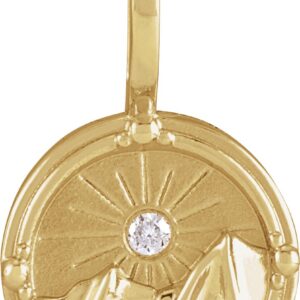 Birthday
.015 ct. Natural Diamond Earth Element Charm/Pendant
$1,208.99 14K Yellow Gold Select options This product has multiple variants. The options may be chosen on the product page -
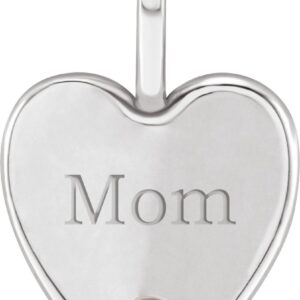 Birthday
.02 ct. Natural Diamond “MOM” Heart Charm/Pendant
$217.99 Sterling Silver Select options This product has multiple variants. The options may be chosen on the product page -
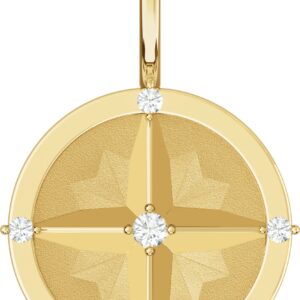 Birthday
.03 ctw Natural Diamond Compass Charm/Pendant
$1,127.99 14K Yellow Gold Select options This product has multiple variants. The options may be chosen on the product page -
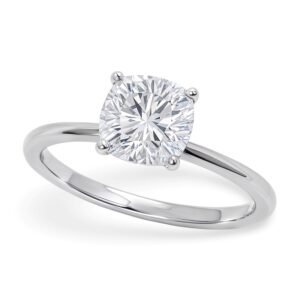 Solitaire Engagement Rings
1 1/2 Carat Cushion Lab Grown IGI G/VS1 Diamond Solitaire Ring in 10K White Gold
$2,880.99 Select options This product has multiple variants. The options may be chosen on the product page -
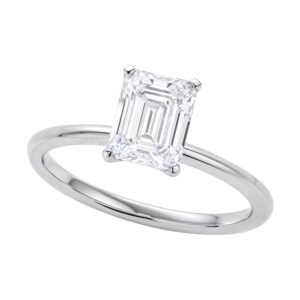 Solitaire Engagement Rings
1 1/2 Carat Emerald Lab Grown IGI G/VS1 Diamond Solitaire Ring in 10K White Gold
$2,880.99 Select options This product has multiple variants. The options may be chosen on the product page -
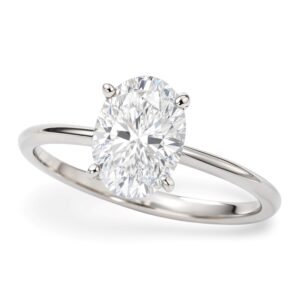 Solitaire Engagement Rings
1 1/2 Carat Oval Lab Grown IGI G/VS1 Diamond Solitaire Ring in 10K White Gold
$2,880.99 Select options This product has multiple variants. The options may be chosen on the product page -
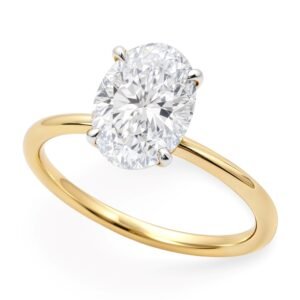 Solitaire Engagement Rings
1 1/2 Carat Oval Lab Grown IGI G/VS1 Diamond Solitaire Ring in 10K Yellow Gold
$2,880.99 Select options This product has multiple variants. The options may be chosen on the product page -
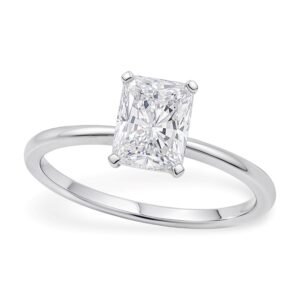 Solitaire Engagement Rings
1 1/2 Carat Radiant Lab Grown IGI G/VS1 Diamond Solitaire Ring in 10K White Gold
$2,880.99 Select options This product has multiple variants. The options may be chosen on the product page -
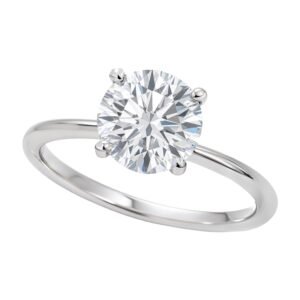 Solitaire Engagement Rings
1 1/2 Carat Round Lab Grown IGI G/VS1 Diamond Ring in 10K White Gold
$2,880.99 Select options This product has multiple variants. The options may be chosen on the product page -
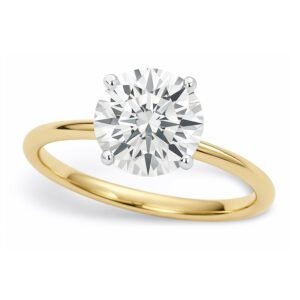 Solitaire Engagement Rings
1 1/2 Carat Round Lab Grown IGI G/VS1 Diamond Solitaire Ring in 10K Yellow Gold
$2,880.99 Select options This product has multiple variants. The options may be chosen on the product page -
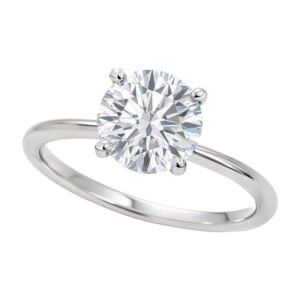 Solitaire Engagement Rings
1 1/2 Carat Round Lab Grown IGI G/VS1 Diamond Solitaire Ring in Sterling Silver
$1,565.99 Select options This product has multiple variants. The options may be chosen on the product page -
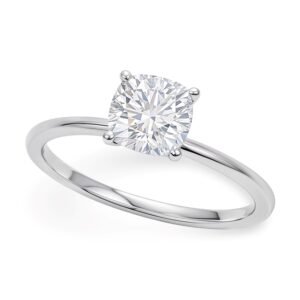 Solitaire Engagement Rings
1 Carat Cushion Lab Grown IGI G/VS1 Diamond Solitaire Ring in 10K White Gold
$2,537.99 Select options This product has multiple variants. The options may be chosen on the product page
Reading a Diamond Listing
Diamond jewelry is priced on four properties, and only one of them is obvious in a photograph. Carat is weight, not size, though the two move together. Cut describes how well the stone was proportioned and is what makes a diamond look lively rather than glassy. Color is graded from colorless downward, and clarity records the inclusions a trained grader finds under magnification.
Most of the women's diamond jewelry here is rings and wedding bands, largely in 14K white gold, with a smaller group of earrings, pendants, bracelets and bangles. Where a piece is lab-grown, the listing says so, and many lab-grown pieces state their grade: the solitaire engagement rings carry an IGI G color, VS1 clarity grade, and the eternity bands are FG color, VS2 clarity. A small number of pieces are labelled natural diamond. For many other pieces the maker does not state whether the diamonds are natural or lab-grown, and in those cases we call them diamonds and nothing more.
For pieces with many small stones, such as pavé bands, tennis bracelets and cluster pendants, the figure quoted is total carat weight, often shown as cttw. That tells you how much diamond is present in total, not the size of any one stone, which is worth remembering when two pieces share a cttw but look quite different.
Lab-grown and natural diamonds are graded on the same scales, so a G color means the same thing on either. The practical difference is price per carat and, for some buyers, origin. Our natural vs lab-grown guide covers both, and the 4Cs guide explains how to weigh cut, color and clarity against a budget.
Diamonds are hard but not indestructible, and they attract grease, which is what makes them look dull. Warm soapy water and a soft brush, used behind the stone as well as in front, restore their brightness; our care guide explains more. Have prong-set rings checked by a jeweler once a year, because a worn prong is the usual reason a stone is lost.
Are these diamonds natural or lab-grown?
It varies by piece. Lab-grown pieces say lab-grown, and a few pieces say natural diamond. Where the maker has not stated the origin, we describe the stones only as diamonds.
Do the pieces come with a grading report?
The lab-grown solitaire engagement rings state an IGI grade in their titles. Most other pieces do not name a grading laboratory; check the description of the specific item.
What does cttw mean?
Carat total weight: the combined weight of every diamond in the piece, not the size of the largest stone.
Further reading: How to Choose a Diamond: the 4Cs, Natural vs Lab-Grown Diamonds, Jewelry Care Guide.
