The IMPERVORA Education & Style Center
Know what you are buying, and why it suits you.
Plain-language guidance on diamonds, gold, gemstones, sizing, care and style, written to help you compare pieces with confidence. Each topic ends with pieces you can shop and deeper guides from our Journal.

01 · Education
Diamonds
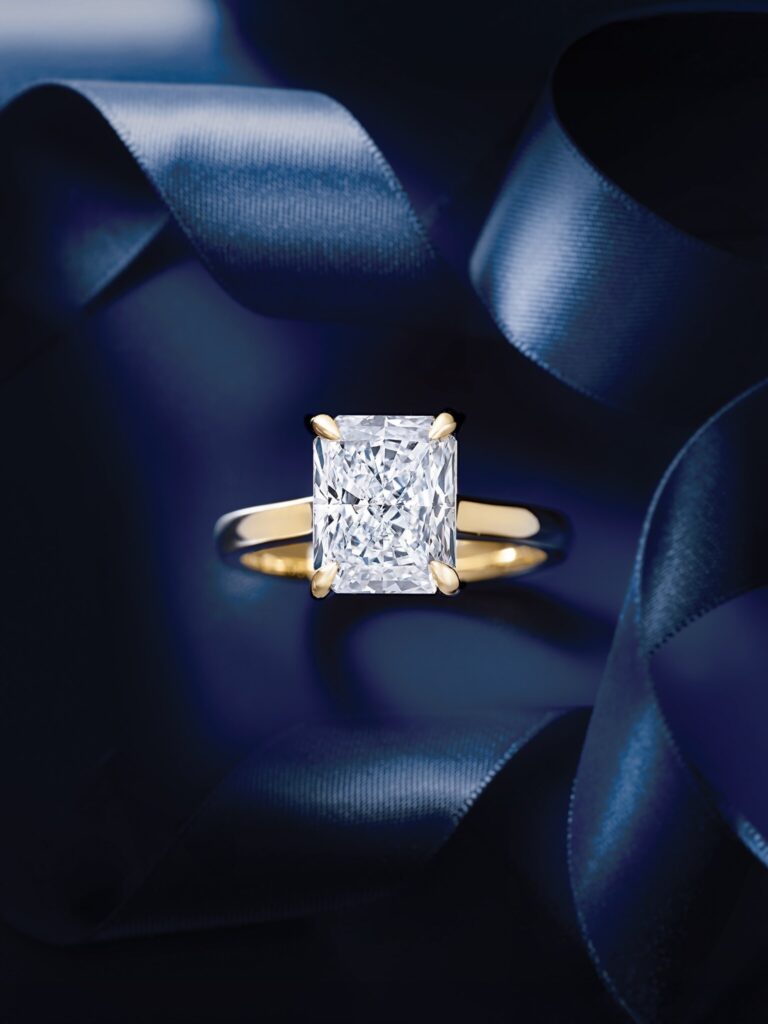
Four characteristics, cut, colour, clarity and carat weight, describe a diamond's quality. No single grade decides beauty: how they balance in a particular stone does.
The 4Cs explorer
Cut grades how well a diamond's proportions, symmetry and polish return light. For standard round brilliants, GIA grades cut on a five-step scale. Shape (round, oval, princess) is a different thing from cut quality.
- Excellent
- Very Good
- Good
- Fair
- Poor
Cut has the largest effect on brightness and sparkle. A well-cut stone can look livelier than a heavier one that is cut poorly.
Colour grades how colourless a white diamond is, on GIA's D-to-Z scale. D is colourless; further down the alphabet, a faint yellow or brown tint becomes easier to see.
- D–F Colourless
- G–J Near colourless
- K–M Faint
- N–R Very light
- S–Z Light
Yellow and rose gold settings can make a slight warmth less noticeable; white metals show it more.
Clarity grades internal features (inclusions) and surface marks (blemishes), judged under 10× magnification. GIA uses eleven grades:
- FL
- IF
- VVS1
- VVS2
- VS1
- VS2
- SI1
- SI2
- I1
- I2
- I3
Many VS and SI stones look clean to the unaided eye at normal viewing distance. Where an inclusion sits matters as much as the grade.
Carat is weight, not size: one carat equals 0.2 grams, divided into 100 points. Two stones of the same weight can face up differently depending on cut and shape.
“ct. tw.” means total weight, the combined weight of every diamond in a piece. When a weight is given as a fraction (for example “1/2 ct. tw.”), US rules require a notice that the weight is not exact, along with the range or tolerance used.
Natural or laboratory-grown?
Laboratory-grown diamonds are diamonds created in a laboratory (by HPHT or CVD growth) rather than mined. They have essentially the same chemical, physical and optical properties as mined diamonds, and gemological labs can tell them apart with specialist instruments.
US rules require laboratory-grown diamonds to be clearly described as such, for example “laboratory-grown” or “laboratory-created”. A diamond described without a qualifier is understood to be natural. Laboratory-grown stones generally cost less than natural stones of similar size and quality; their resale market is far less established.
What is a grading report, and is it an appraisal?
A grading report from a gemological lab (such as GIA or IGI) records a stone's measured characteristics: shape, measurements, carat weight, colour, clarity, and cut grade where applicable, and whether it is laboratory-grown. It does not state a value.
An appraisal is a separate document, usually prepared for insurance, that estimates a replacement value. Not every piece of jewelry comes with a grading report. If a product page doesn't say a report is included, assume it isn't, and ask us before you order.
How do I compare two diamonds side by side?
Compare like for like: same shape, then cut, then the colour and clarity range you are comfortable with, then weight. A small step down in colour or clarity that you cannot see is often a better use of budget than a step up in carat that sacrifices cut.
Read further
-

Lab-Grown Diamond Open Band
$2,116.99 White Gold Select options This product has multiple variants. The options may be chosen on the product page -

Lab-Grown Diamond Eternity Band
$1,801.99 Select options This product has multiple variants. The options may be chosen on the product page -
 Ring
Lab-Grown Diamond Stackable Ring
$834.99 Select options This product has multiple variants. The options may be chosen on the product page -
 Hoop Earrings
Lab-Grown Diamond Inside-Outside Hinged Hoop Earrings
$6,295.99 Select options This product has multiple variants. The options may be chosen on the product page
02 · Education
Gold
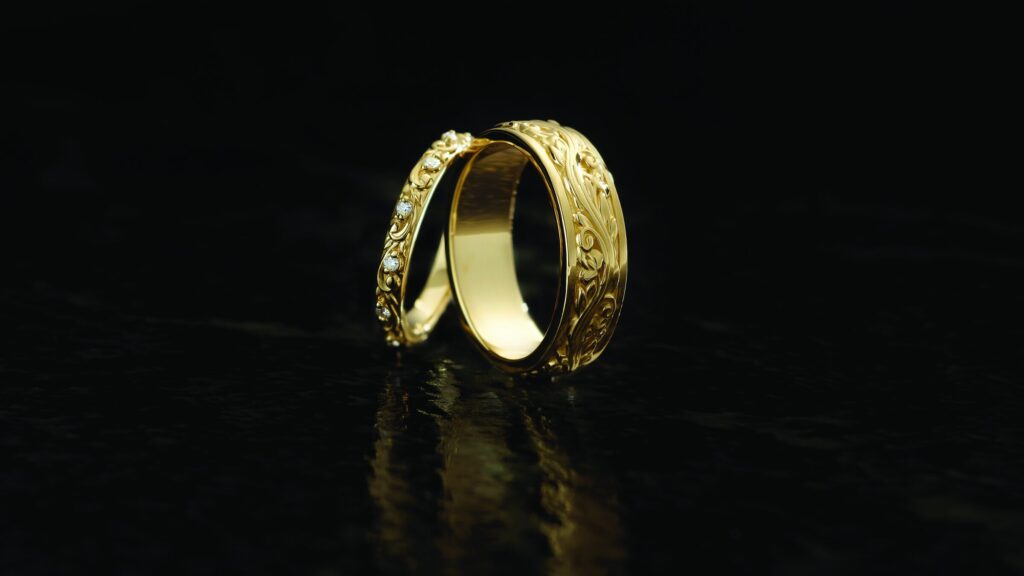
Karat tells you how much of a piece is gold. Colour comes from the metals it is mixed with, and durability depends on both the alloy and how the piece is made.
Gold content by karat
- 24K99.9% goldPure gold. Very soft; rarely used for everyday jewelry.
- 22K91.7% goldRich colour; soft, best for pieces that see little wear.
- 18K75.0% goldDeep colour with more alloy for strength.
- 14K58.3% goldThe most common US choice, balancing colour and wear.
- 10K41.7% goldThe lowest karat that can be sold as gold in the US.
Yellow, white and rose: what makes the colour?
Gold is alloyed with other metals for colour and strength. Yellow gold uses silver and copper; rose gold uses a higher share of copper; white gold uses whitening metals such as palladium or nickel and is usually plated with rhodium for a bright white finish. Rhodium plating wears with time and can be renewed by a jeweler.
Which karat wears best?
Higher karats contain more gold and are softer, so they scratch and bend more readily. Lower karats contain more alloy. How a piece is made matters too: a solid chain and a hollow chain of the same karat wear very differently. Choose the karat for colour and budget, then look closely at construction.
Solid, plated, filled or vermeil?
Solid gold is the karat alloy throughout. Gold-plated pieces have a thin gold layer over another metal; gold-filled pieces have a thicker bonded layer; vermeil is gold over sterling silver. Karat stamps such as 10K, 14K, 18K (or 417, 585, 750) indicate karat gold.
Read further

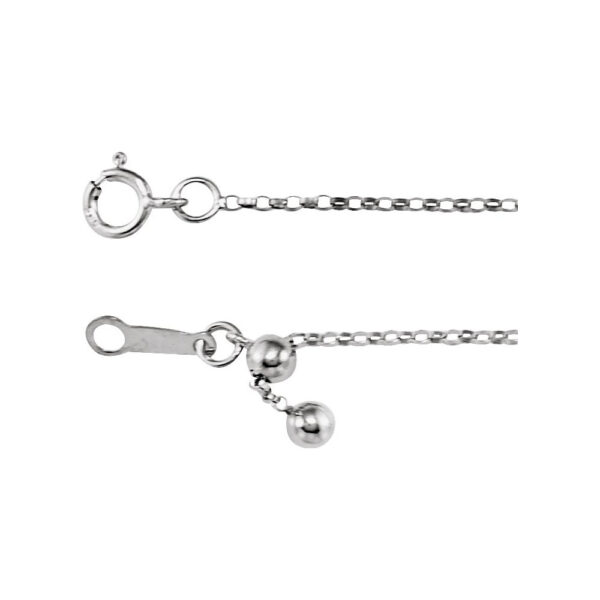
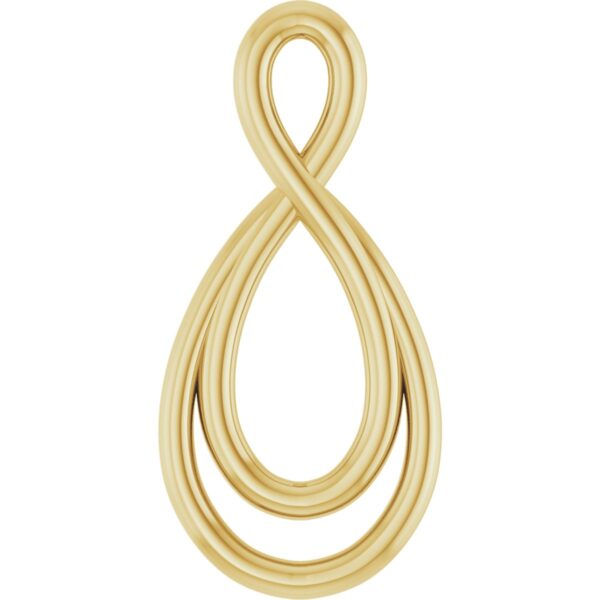
03 · Education
Gemstones
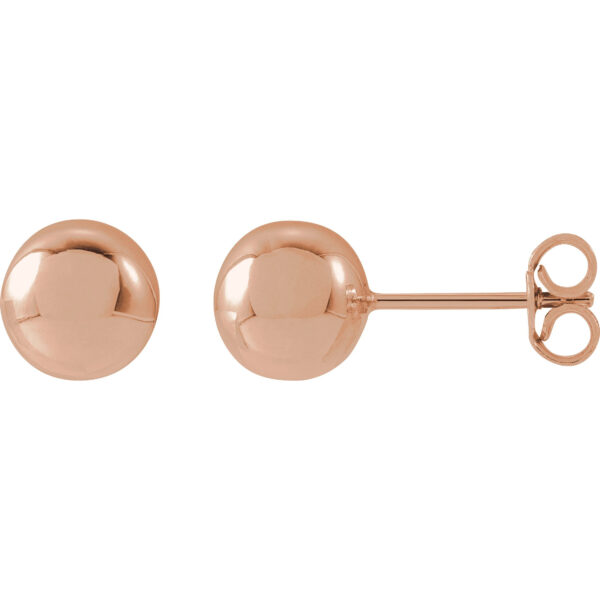
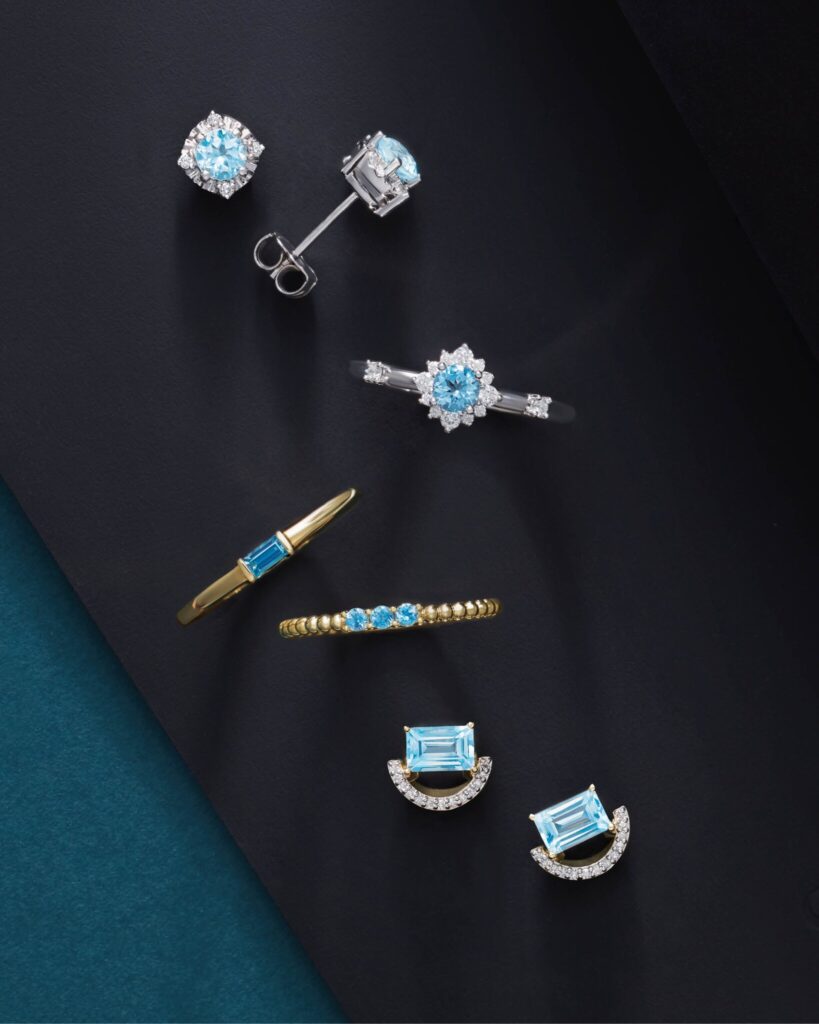
Colour draws you to a gemstone; hardness, treatment and setting decide how it lives with you.
| Stone | Birthstone | Hardness | Wear note |
|---|---|---|---|
| Diamond | April | 10 | Very resistant to scratching; can still chip from a hard knock. |
| Sapphire & ruby | September / July | 9 | Excellent for daily wear. |
| Topaz | November / December (blue) | 8 | Hard, but can split along its cleavage if struck. |
| Emerald | May | 7.5 | Often oil-treated; avoid ultrasonic cleaners and heat. |
| Amethyst & citrine | February / November | 7 | Quartz family; good everyday durability. |
| Peridot | August | 6.5 | Softer; best in protective settings. |
| Opal | October | 5.5 | Delicate; avoid knocks, heat and sudden temperature changes. |
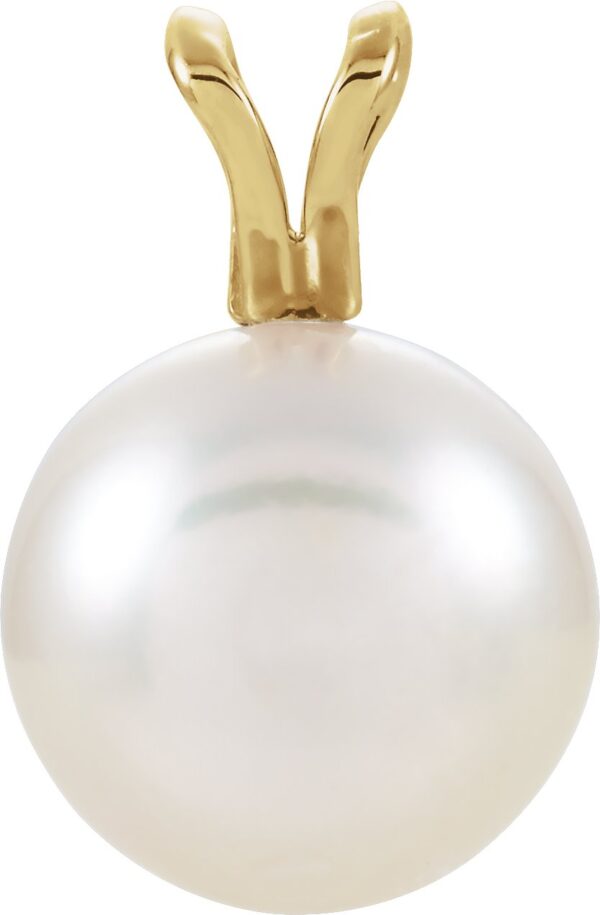
| Pearl | June | 2.5–4.5 | Soft and sensitive to chemicals; put pearls on last. |
Treatments: what they are and why they must be disclosed
Many coloured gemstones are treated to improve colour or clarity: heating (common in sapphire and ruby), oiling or resin filling (common in emerald), glass filling, diffusion, irradiation and coatings. US rules require disclosure of treatments that are not permanent, that need special care, or that significantly affect value. Ask whether a stone is treated and how to care for it.
Natural, lab-created or simulated?
A lab-created (synthetic) gemstone has the same composition as its natural counterpart but was grown in a laboratory, and must be described that way. A simulant only looks similar: cubic zirconia imitating diamond, for example. Product names should make the difference clear.
How to choose a coloured gemstone
Colour matters most: look for even, saturated colour that is not too dark. Then consider clarity (emeralds typically show inclusions; many sapphires are cleaner), cut, size and setting. For rings worn daily, harder stones in protective settings last longest.


04 · Education
Engagement & Wedding
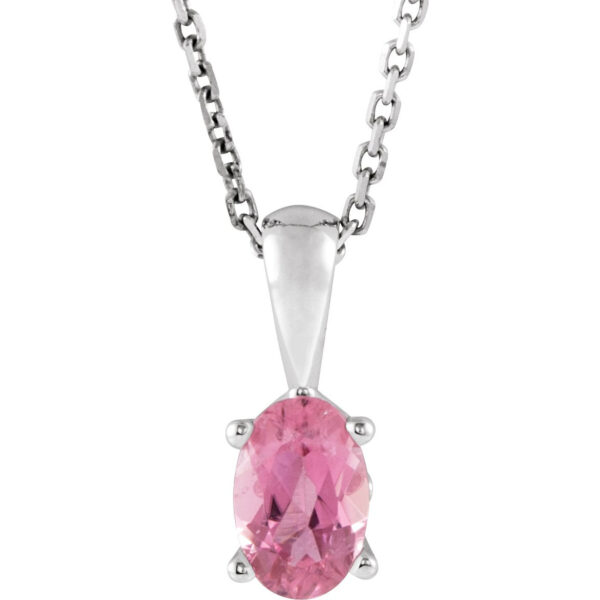
Choose the setting for how it will be worn every day, size it carefully, and plan the band at the same time as the ring.

Setting styles at a glance
- Solitaire: one centre stone; the cleanest look and the easiest to pair with a band.
- Halo: a ring of small stones around the centre that makes it face up larger.
- Three-stone: a centre stone flanked by two side stones.
- Pavé or accented band: small stones set along the shank for extra sparkle; check them periodically.
- Bezel: metal rim around the stone; protective and modern. Prongs show more of the stone and let in more light.
Ring size from a ring that fits
Measure the inside diameter of a ring that fits the right finger, edge to edge, in millimetres.
Ring size chart
| US size | Inside diameter | Inside circumference |
|---|---|---|
| 4 | 14.9 mm | 46.8 mm |
| 4.5 | 15.3 mm | 48.1 mm |
| 5 | 15.7 mm | 49.3 mm |
| 5.5 | 16.1 mm | 50.6 mm |
| 6 | 16.5 mm | 51.8 mm |
| 6.5 | 16.9 mm | 53.1 mm |
| 7 | 17.3 mm | 54.3 mm |
| 7.5 | 17.7 mm | 55.6 mm |
| 8 | 18.1 mm | 56.9 mm |
| 8.5 | 18.5 mm | 58.1 mm |
| 9 | 19.0 mm | 59.7 mm |
| 9.5 | 19.4 mm | 60.9 mm |
| 10 | 19.8 mm | 62.2 mm |
| 10.5 | 20.2 mm | 63.5 mm |
| 11 | 20.6 mm | 64.7 mm |
| 12 | 21.4 mm | 67.2 mm |
| 13 | 22.2 mm | 69.7 mm |
Fingers are larger at the end of the day and in warm weather. Wide bands (over about 6 mm) usually feel snugger, so consider a quarter to half size up. For the most reliable result, have the finger sized by a jeweler.
Will my wedding band sit flush?
Some engagement settings sit low enough for a straight band to sit flush against them; others need a contoured or notched band. Comfort-fit bands are rounded inside and slide more easily over the knuckle than standard-fit bands.
Read further
Shop this topic
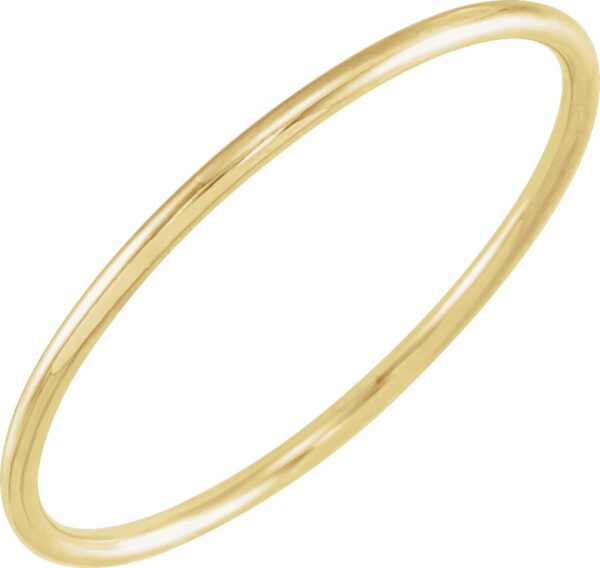
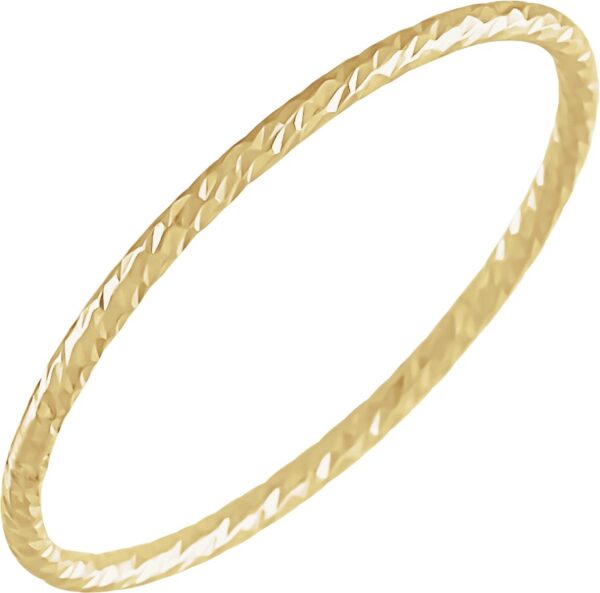
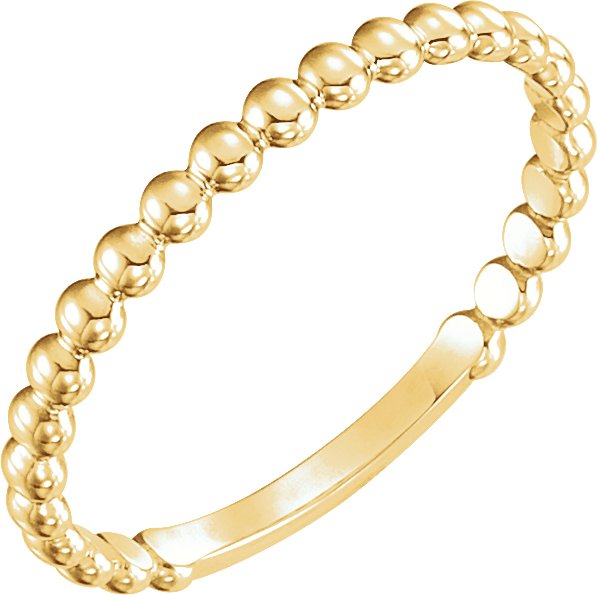
Engagement RingsWomen's Wedding BandsMen's Wedding BandsDesign Your Engagement RingBridal & Anniversary
-
-
-
-
 Men's Wedding Band
Platinum Hand-Engraved Milgrain Comfort-Fit Half Round Band
$5,110.99 Add to cart
05 · Education
Necklaces & Chains
Length decides where a necklace sits; chain style decides how it moves and how much it can carry.
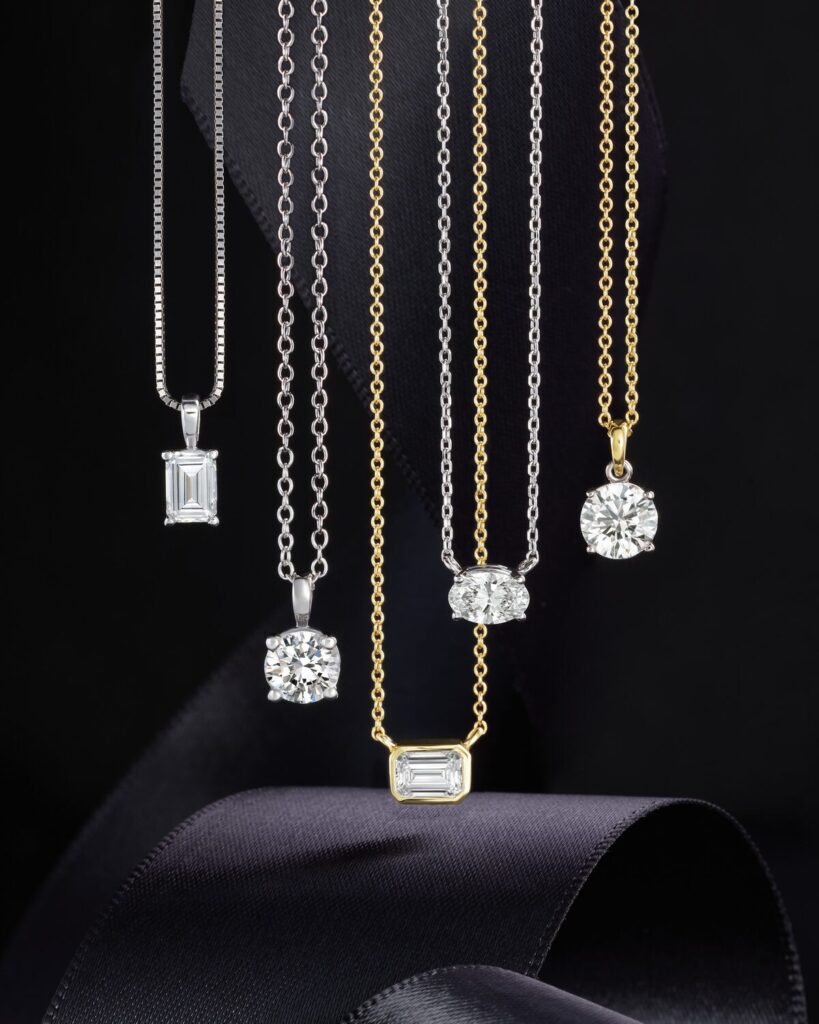
Length visualizer
18″ Princess: Falls at the collarbone; the most popular pendant length.
Where a length falls depends on neck size and build; this is a typical guide.
Chain styles glossary
- Cable: uniform oval links; the classic pendant chain.
- Box: square links; smooth and strong for its weight.
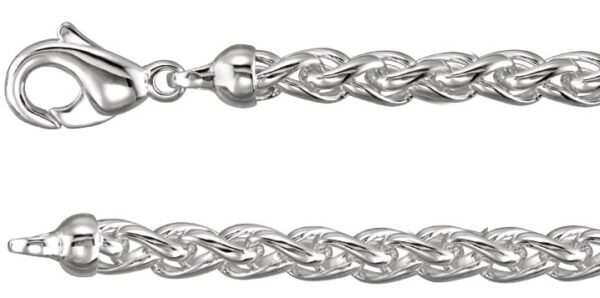
- Rope: twisted links that catch the light.
- Figaro: groups of short links punctuated by a longer link.
- Curb & Cuban: flattened interlocking links; bolder and heavier.
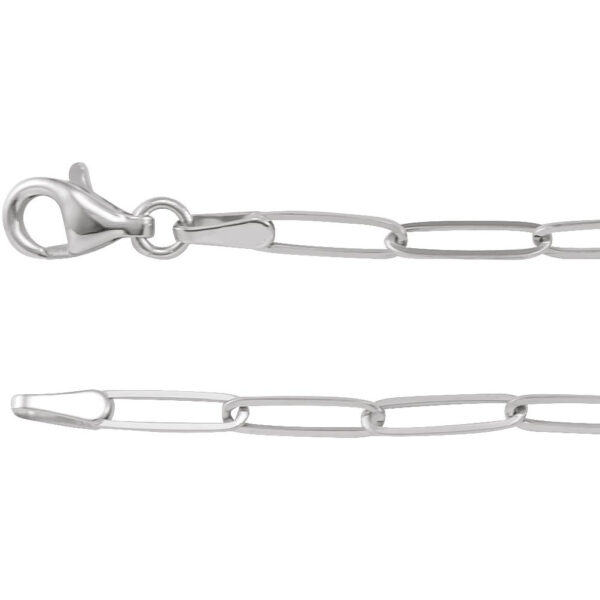
- Paperclip: long, flat elongated links; modern and light-looking.
- Wheat: woven oval links with a braided look.
- Snake & herringbone: flexible, sleek surfaces; avoid kinking.
How to layer necklaces
Space layers about 2 inches apart (for example 16″, 18″ and 20″) so each one shows. Mix one textured chain with finer ones, keep one focal pendant, and stay within a metal colour family, or mix deliberately with at least two pieces of each.
Pairing a pendant with a chain
Check that the pendant's bail opening is wider than the chain and its clasp, and choose a chain strong enough for the pendant's weight. Heavier pendants sit better on wider or solid chains.
Read further
Shop this topic
-
 Chain
Rounded Box Chain with Lobster Clasp
$1,658.99 Yellow Gold · 1 mm Rounded Box 16" Select options This product has multiple variants. The options may be chosen on the product page -
 Chain
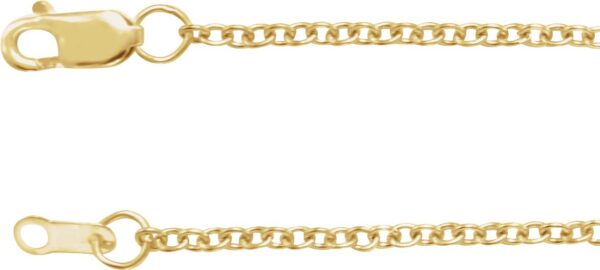
Cable Chain with Lobster Clasp
$733.99 Yellow Gold · 1.5 mm Cable 7" Select options This product has multiple variants. The options may be chosen on the product page -
 Chain
Paperclip-Style Chain with Lobster Clasp
$1,330.99 Yellow Gold · 2.6 mm Paperclip-Style 7" Select options This product has multiple variants. The options may be chosen on the product page -
 Chain
Figaro Chain with Lobster Clasp
$2,087.99 3 mm Figaro 7" Select options This product has multiple variants. The options may be chosen on the product page
06 · Education
Bracelets
A bracelet should move without sliding over the hand. Measure your wrist, then add room for the fit you like.

Bracelet length calculator
Wrap a soft tape just above the wrist bone, snug but not tight.
For chain and tennis bracelets. Bangles and cuffs are sized differently: see the bangle guide below.
Common bracelet lengths
Most women's bracelets are 7″ and most men's are 8″ to 8.5″. Thicker bracelets need a little more length than fine ones for the same comfort.
How to stack bracelets
Start with one anchor (a watch, bangle or tennis bracelet), add a contrasting texture such as a chain, then something fine. Three to five pieces on one wrist is a comfortable range. Bracelets set with stones are best kept away from hard bangles to avoid wear.
Tennis bracelet checks
Choose a secure box clasp with a safety catch, check the clasp regularly, and size so the bracelet cannot slip over the hand when closed.
Read further
Shop this topic

07 · Education
Care & Storage
A few habits keep fine jewelry looking new: clean gently, store pieces apart, and take them off for chlorine, chemicals and hard work.
Clean
Warm water, a drop of mild dish soap and a soft brush suit gold, platinum and diamonds. Rinse and dry with a lint-free cloth. Wipe pearls and opals with a soft damp cloth only.
Store
Keep pieces apart so harder stones do not scratch softer metals and gems. Fasten chains to stop tangles. Store sterling silver in a closed pouch to slow tarnish.
Take off
Remove jewelry for swimming in chlorinated or hot-tub water, cleaning with chemicals, the gym and heavy work. Put jewelry on after lotion, perfume and hairspray.
Check
Look at prongs and clasps every few months. If a stone moves or a clasp feels loose, stop wearing the piece and have a jeweler inspect it.
Ultrasonic and steam cleaners
They are fine for many solid gold and diamond pieces, but not for emeralds, opals, pearls, turquoise, treated or fracture-filled stones, or anything with loose settings. If in doubt, use soap and water.
Why does white gold turn yellowish?
Most white gold is rhodium-plated. As the plating wears, the warmer alloy beneath starts to show. A jeweler can re-plate it.
Read further
08 · Education
Watches
Start with how you will wear it, everyday, dress or sport, then choose the movement, case size and water resistance to match.
Movements
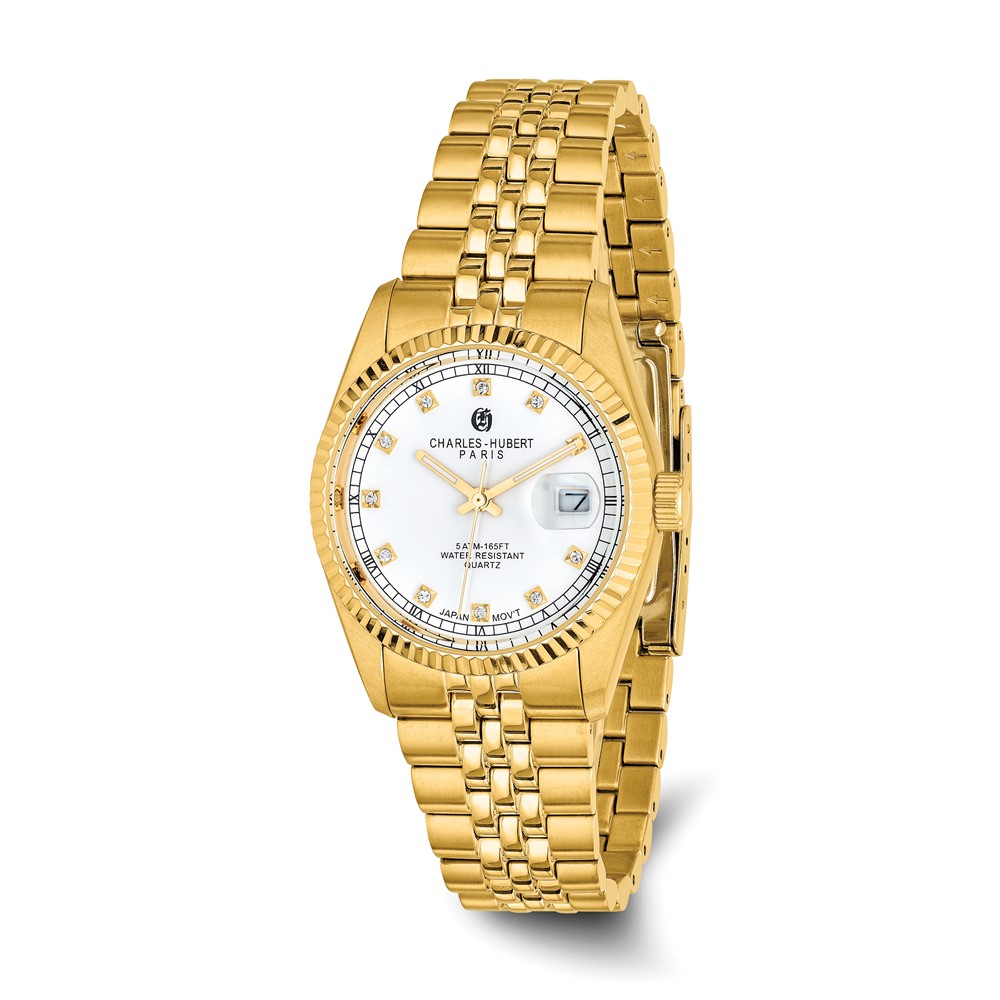
- Quartz: battery-powered and very accurate; low maintenance apart from battery changes.
- Automatic: mechanical, wound by the motion of your wrist; needs regular wear or a winder, and periodic servicing.
- Mechanical (hand-wound): wound by the crown; prized for craftsmanship.
Case size and fit
Measure across the case, excluding the crown. As a rough guide, many people with smaller wrists favour cases around 26 to 36 mm and larger wrists 38 to 44 mm, but style matters as much as size: dress watches tend to be slimmer and smaller. The lugs should not overhang the wrist.
Water resistance
| Marking | Generally suitable for |
|---|---|
| 30 m / 3 ATM | Splashes and rain. Not for swimming. |
| 50 m / 5 ATM | Brief immersion, light surface swimming. |
| 100 m / 10 ATM | Swimming and snorkelling. |
| 200 m / 20 ATM | Water sports and recreational diving. |
Ratings come from pressure tests, not real depths. Avoid hot water and saunas, and never use the crown or pushers underwater. Always follow the watch's own manual.
Pocket watches
Open-face pocket watches show the dial at all times; hunter-case watches have a hinged cover that protects the crystal. Pair them with a chain (Albert or belt-loop style) fastened to a buttonhole, belt loop or waistcoat.
Bands and care
Leather bands dislike water and sweat; metal bracelets can be cleaned with a soft brush and mild soap if the case is rated for water. Lug width decides which replacement bands fit.
-
 Premium Watches
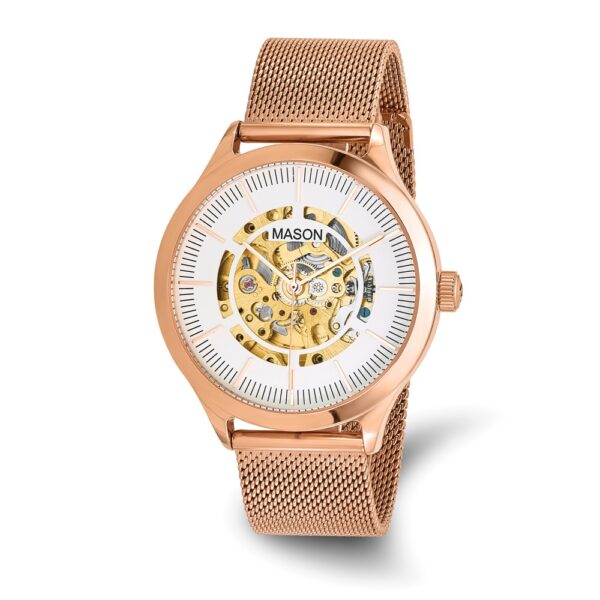
Mason Stainless Steel Rose IP Skeleton Movement Mesh Watch – XWA6643
$194.99 Add to cart -

-

-
 Men's Watches
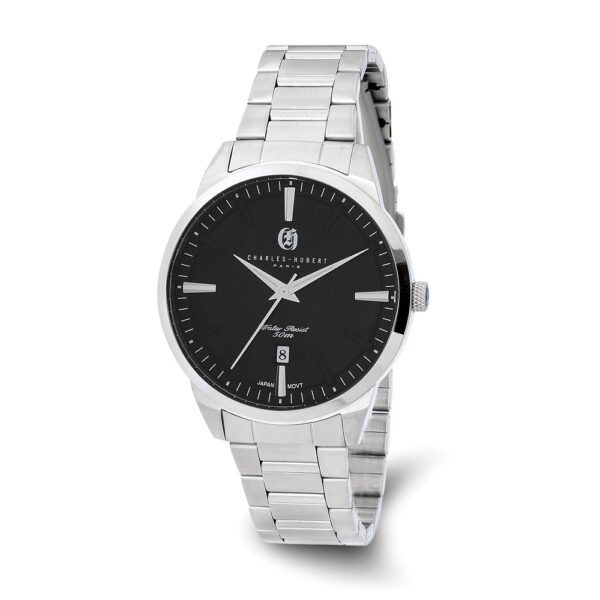
Men’s Charles-Hubert Paris Stainless Steel Black Dial Watch – XWA6561
$265.99 Add to cart
09 · Education
Gifting
Begin with who it is for and what they already wear, then set a budget. The finder shows only combinations we can currently offer.
Gift finder
Choosing well when you do not know their size
Necklaces, earrings and adjustable or longer bracelets are the safest choices when you don't know a size. For rings, borrow a ring they wear on the same finger and measure its inside diameter with the ring-size tool above.
Read their style
Look at what they already wear: metal colour, scale (fine or bold) and whether they favour classic or modern shapes. A piece that matches what they reach for every day gets worn most.
Personal touches
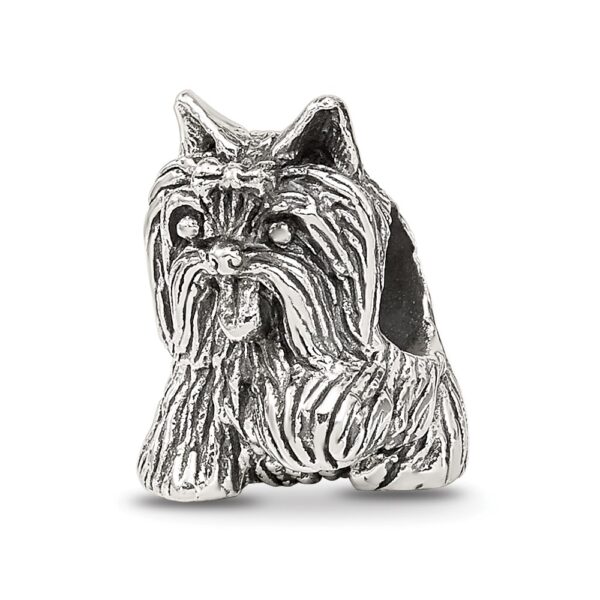
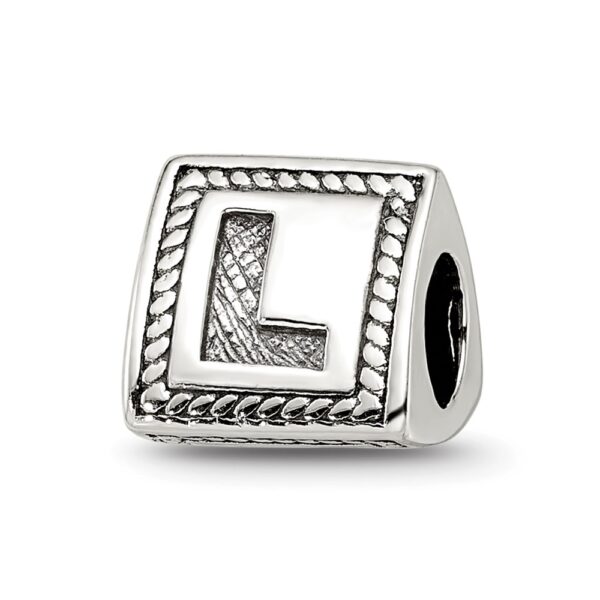
Initials, birthstones and engraved pieces make a gift personal. Personalized pieces are made to order, so allow extra time and check the product page for its return terms.
10 · Education
Style & Collecting
Personal style is consistency more than trend: a few pieces worn often, then additions that mean something.
Build a foundation
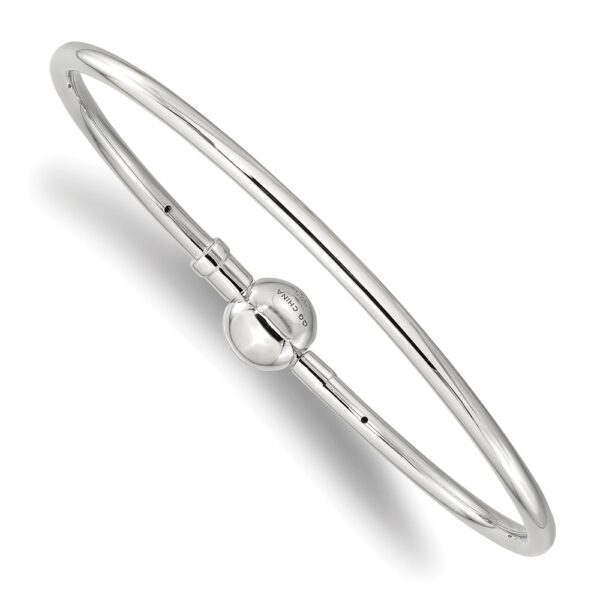
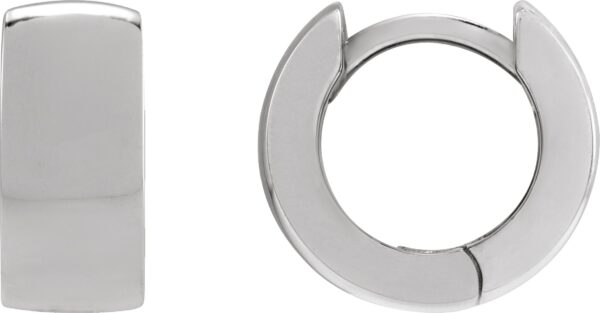
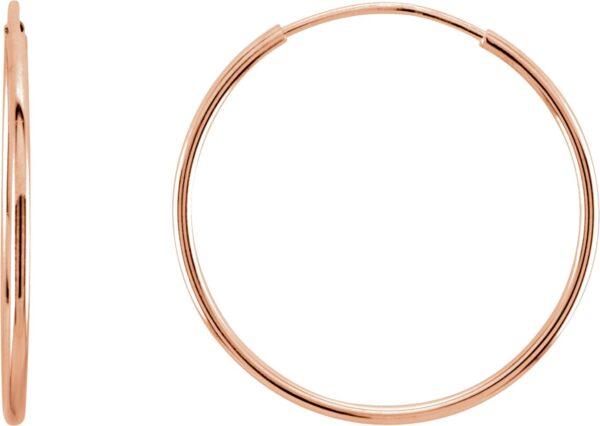
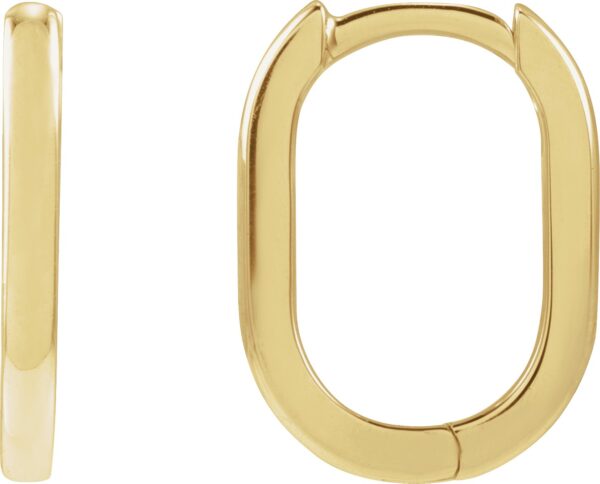
Most collections grow from a few everyday pieces: stud or small hoop earrings, a fine chain with or without a pendant, and a ring or band you never take off. Choose these in your main metal colour.
Add a signature
Next, one piece that is recognisably yours: a bolder chain, a coloured stone, a statement ring or a watch. One focal piece per look keeps it refined.
Layer and stack
Layer necklaces about 2 inches apart; stack rings from fine to bold; mix one textured piece with smooth ones. Balance both sides: a stack on one wrist, a watch on the other.
Mark milestones
Anniversaries, birthdays and achievements are natural moments to add a piece, such as an anniversary band, a birthstone or an engraved pendant, so the collection tells a story.
Mixing metals
Mixing yellow, white and rose metals reads as intentional when you repeat each colour at least twice, or use a two-tone piece to link them.
Dressing for necklines
V-necks suit pendants that echo the V; crew necks pair with longer chains worn over the fabric or short collars above it; strapless and off-shoulder necklines show off chokers and statement necklaces.
Read further
Still deciding?
Our concierge answers sizing, metal and stone questions before you order, Monday to Friday, 9am to 5pm MST. Contact the concierge or call (623) 850-3405.
This guide is general education, not an appraisal or a grading report, and it does not describe any specific product. Product pages list each piece's own specifications.